Is your company ready for a cyberattack?
Business Continuity: From Risk to Resilience
Discover how to build resilience across IT, people, and facilities — with strategies tailored for mid-sized companies in Europe.

Why it matters
Resilience is defined as the ability of a system or organization to withstand and recover from disruptions while maintaining its essential functions and operations.
Today, the sources of business interruption are more multifaceted than ever: cyberattacks, climate or geopolitical incidents, pandemics, human error… the paradigm of “IF a crisis occurs” has now been replaced by “WHEN it occurs.” It is therefore more important than ever for businesses to prepare themselves to be as resilient as possible when a crisis hits.
Every minute of downtime costs companies an average of $5,600 globally (Gartner). For mid-sized enterprises, the impact can mean €50,000+ in losses per incident, according to recent European studies. Beyond financial risk, organizations face reputational harm, operational disruption, and increasing regulatory obligations — GDPR, NIS2, and DORA — all requiring documented business continuity and recovery strategies.
To help you, we’ve compiled a collection of exclusive resources covering the three phases of business continuity: preparation, response, and recovery. Discover our insights on the subject below: explanations, best practices, and checklists.
Financial loss
Compliance
Reputation
Our Whitepapers
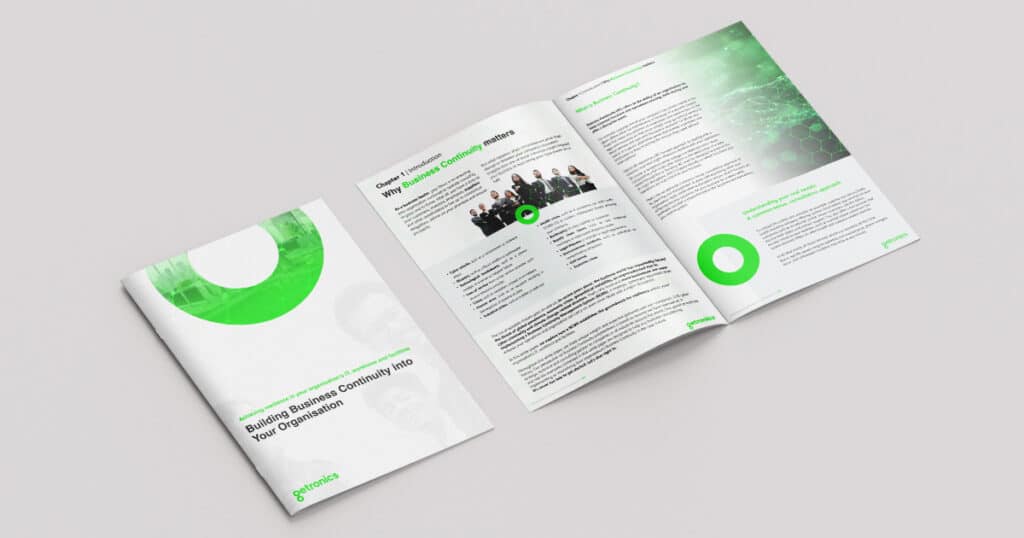
Building Business Continuity Management Into Your Organisation
This document will help you understand what business continuity is and identify the key areas on which to focus your efforts, in order to strengthen your organization's resilience before a crisis occurs.
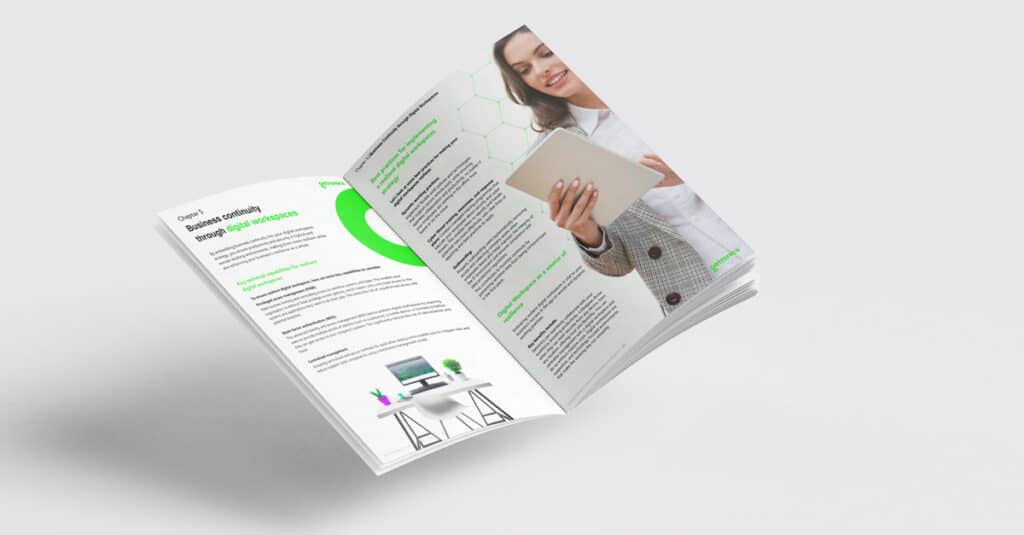
5 pillars of IT that can help to keep your business running
Business continuity is structured in three phases: preparation, response, and recovery. We emphasize preparation, to guide you in the evolution of your organization and make it better equipped to face disruptions.
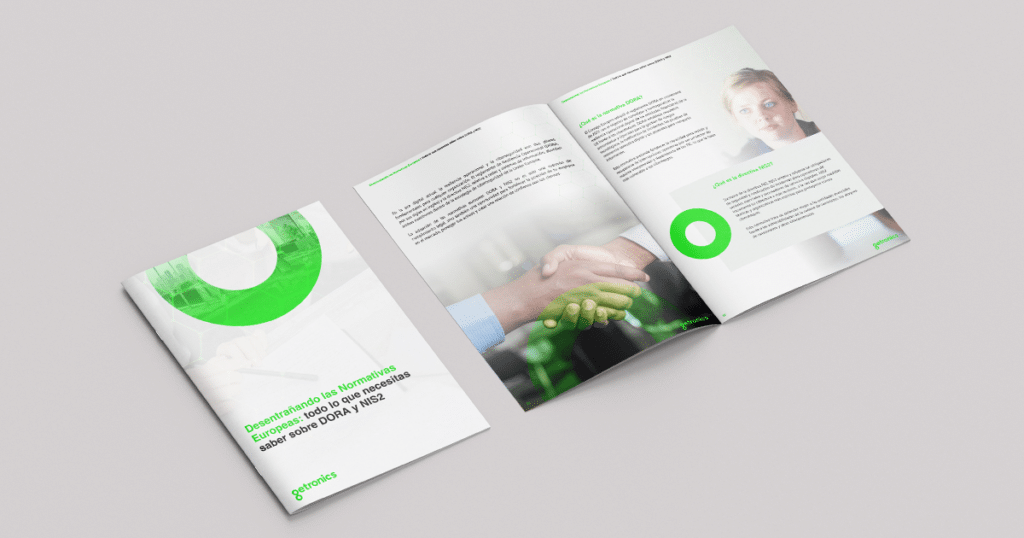
Unravelling EU Regulations: Everything You Need to Know about DORA and NIS2
This guide helps you understand and apply the requirements of DORA and NIS2, ensuring business continuity and security in a demanding, fast-changing, and highly regulated environment.
“$300,000 per hour downtime” (global benchmark) vs. “€50,000 per incident for SMEs in Europe”.
Resilience tailored to your industry
Business continuity challenges vary by sector — and in the European mid-market, resilience is becoming a board-level priority.

Finance
Healthcare
Manufacturing
Retail
Energy & Utilities
Logistics & Transport
IT & Tech Services
Build resilience, protect tomorrow
Getronics’ business continuity consulting services offer comprehensive solutions to strengthen your company’s resilience in the face of disruptions. Discover now how we can help you begin your protection strategy. Schedule a meeting today with our expert, Amadou Ndiaye, Digital Sales Representative, or request a callback using the form.

Discover more Getronics resources

The Response Phase of Business Continuity Management
The response phase is the immediate action we take to stabilise a situation, once an incident occurs. It is the bridge between the incident and our recovery.

The Recovery Phase of Business Continuity Management
The true measure of how your organisation deals with a security breach is how you recover. An effective return to normal operations is the aim for every business.
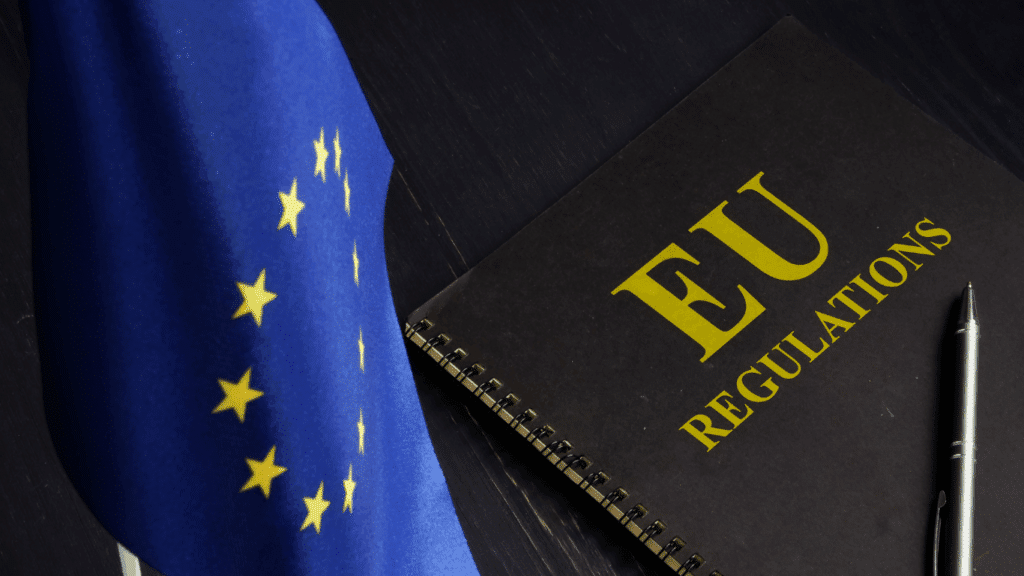
Navigating the EU’s AI Legislation: Milestones, History, and Future Goal
We look at the steps, history and objectives of the new EU AI legislation, explore its relationship with other regulatory frameworks (such as GDPR, NIS2 and DORA) and examine similar initiatives outside the EU.

Watch Webinar Recording: Strengthen Financial Resilience with DORA
This event was one not to miss, as experts provided valuable insights into understanding the new regulations and strategies for keeping businesses secure. Watch the recording here.

The Network and Information Security Directive 2, or NIS2.
October is a key time for security providers. It's not just Cybersecurity Month, it's also the effective date of the NIS 2 directive (Network and Information Systems Security). Find out everything you need to know.
Ask An Expert About … The Digital Operational Resilience Act
The finance sector includes a variety of different business types – from banking and investments, to third party ICT providers. DORA makes sure that every organization is standardized, and meets the same level of cyber-security and operational resilience.
Frequently Asked Questions
Business continuity is an organisation’s ability to maintain its critical functions during and after a disruption. It relies on a Business Continuity Management System (BCMS) that defines roles, priorities, and response plans.
Without a BCMS, disruptions can lead to financial, operational, legal and reputational impacts. A BCMS establishes priorities, acceptable risk thresholds, and proportionate measures to reduce the impact of an incident.
- Preparation: Risk and impact analysis, setting objectives (Recovery Time Objective – RTO, Maximum Tolerable Data Loss – MTDL), planning and training.
- Response: Detection, decision-making, communication and ensuring a minimum service level.
- Recovery: Returning to normal operations, including Disaster Recovery (DR).
A six-step approach: 1. Business consultancy; 2. Analysis & planning (including Business Impact Analysis – BIA and Risk Assessment – RA, plus MTPD, RTO and MTDL); 3. Implementation (technical and organisational); 4. Continuous monitoring; 5. Regular testing; 6. Ongoing optimisation
Business continuity covers IT (security, cloud, infrastructure, digital workplace, support), but also facilities (sites, redundancy, secure IoT) and people (training, exercises, remote working, identity and access management – IAM/PAM).
By helping you right-size your measures, align your plan with ISO 22301 and Business Continuity Institute (BCI) best practices, conduct BIA/RA, document and test Business Continuity Plans (BCP), and operate/oversee IT Service Continuity Management (ITSCM) and Disaster Recovery (DR) with ongoing performance monitoring and improvement.